
Neutral officials, match referees, the aid of technology and DRS – from the 1990s, cricket’s global body has taken a lot of effort to modernise decision-making in the game
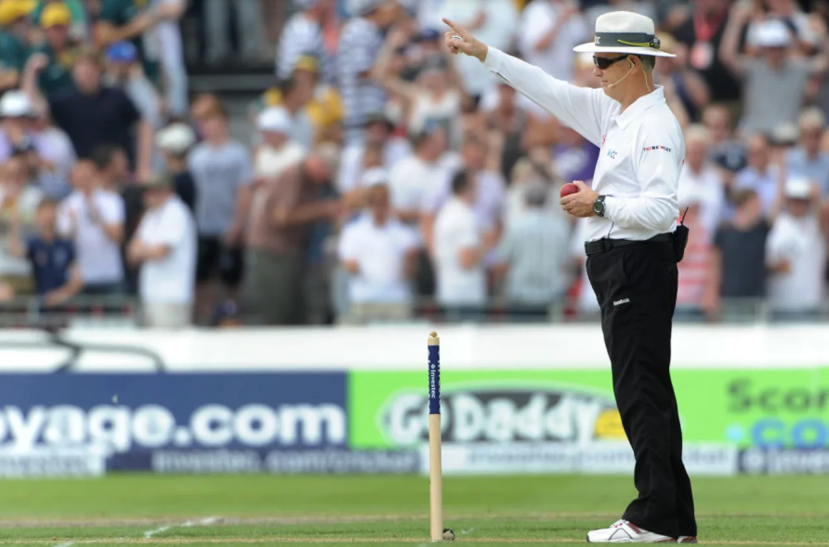
Allegations of biased umpiring are as old as the game itself, and there were many claims by touring teams over the years that home umpires were making decisions against them. It was even not unknown for touring captains and managements to object to the appointment of specific umpires. But as international cricket gained a higher profile, with matches shown live on television, so the pressures grew correspondingly, and incidents like Mike Gatting’s confrontation with Shakoor Rana in 1987 persuaded many that action needed to be taken.
The issue, like most other things in international cricket, also had a cultural dimension. Those in the subcontinent were convinced that the complaints against their umpires were racially motivated, part of the old imperial hangover, and that biased umpiring elsewhere was regarded by officialdom with a much more benign eye. That no doubt explained Imran Khan’s initiative to bring in two Indian umpires for a Test against the West Indies in Lahore in 1986, and to fly in two English officials to stand in the series against India in 1989/90.